


Exclusive
Out of stock
Item #
MW5668
CanDo® Weighted Hand Balls - Hand-held Size - Set of 6
CanDo® Weighted Hand Balls - Hand-held Size - Set of 6
Weighted Sensory Balls
Regular price
332.00 NIS
Regular price
0.00 NIS
Sale price
332.00 NIS
Quantity
-
 Ready to ship in 5-7 business days
-
 Shipping Charges Apply
-
 Not 100% satisfied?
Returns and Exchange policy
Not 100% satisfied?
Returns and Exchange policy


Be Safe
Download
Guidelines for Safe Use
Why We Love It
Weighted Sensory Tool and Fidget
Hold calming weight the palm of your hand. These squishy, sand-filled balls are weighted and double as fidgets. Squeeze when stress relief, focus or calm is needed. Use for therapy activities, exercise or play. Carry throughout the day or hold during travel or transitions for sensory input. Textured surface offers slip-free grasp.
- Provides proprioceptive feedback and encourages movement help focus and self-regulate
- Supports children with ADHD, sensory processing disorder or autism
- Latex-free
- Age 3+
Ideas for Use
Inflate or deflate with hand pump (sold separately, see accessories) to adjust firmness.
Details
- 5" Diameter
- Vinyl with sand filling
- Surface wash. Air dry.
- 6 piece set: black, tan, yellow, red, green, blue
Getting Started
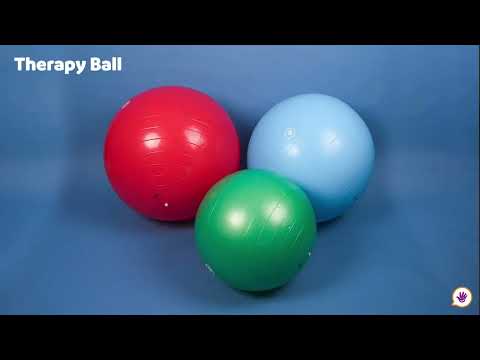
Each color offers different weight, ranging from 1.1 lb. to 5.5 lbs. Balls sold individually or as a 6-ball set.
Helps With
Shipping and Returns
Please note: MW5668-6 piece set will be shipped separately from the rest of your order. Estimated date provided upon request. For returns, a 20% restocking fee is applied.




Questions & Answers loading...
Blog Posts
Why Try Occupational Therapy for Sensory Processing Disorder
Many children struggle with everyday activities like getting dressed, eating or going to school. Sensory processing disorders (SPD) can turn these seemingly simple tasks into overwhelming obstacles. It may feel daunting to navigate your child’s sensory needs.

What's Therapeutic about a Weighted Blanket?
The first time I heard about weighted blankets, I had an instant "Ah-Ha! " moment. As a child, I used to love to climb under the blankets on my parents' bed.

3 Tips for Sensory Friendly Haircuts
Does your child resist haircuts at the barber? They might not like the vestibular input of sitting on a chair that gets propelled upwards, feeling the apron around their neck, or the auditory stimulation of surrounding conversations and the buzz of razors. Many parents avoid these haircuts for as long as possible.
Why Try Occupational Therapy for Sensory Processing Disorder
Many children struggle with everyday activities like getting dressed, eating or going to school. Sensory processing disorders (SPD) can turn these seemingly simple tasks into overwhelming obstacles. It may feel daunting to navigate your child’s sensory needs.
What's Therapeutic about a Weighted Blanket?
The first time I heard about weighted blankets, I had an instant "Ah-Ha! " moment. As a child, I used to love to climb under the blankets on my parents' bed.
3 Tips for Sensory Friendly Haircuts
Does your child resist haircuts at the barber? They might not like the vestibular input of sitting on a chair that gets propelled upwards, feeling the apron around their neck, or the auditory stimulation of surrounding conversations and the buzz of razors. Many parents avoid these haircuts for as long as possible.

What Makes
Us Different

Expert Team
We are a group of trained therapists, educators and committed parents devoted to making your world better.

Quality Products
We manufacture versatile, high quality products in small batches with trusted partners.

Commitment to Safety
Our products undergo rigorous safety testing by independent labs to meet and often exceed government standards.

Your Voice
Our collaboration with you is at the heart of our success. We value your ideas, experiences and feedback.

Customer Service
We are committed to going above and beyond to ensure your complete satisfaction with our products and services.


