


Exclusive
In stock
Item #
CF7236
Early Childhood Sensory Toolkit™
Early Childhood Sensory Toolkit™
Regular price
1,779.00 NIS
Regular price
0.00 NIS
Sale price
1,779.00 NIS
Quantity
-
 Ready to ship in 1–3 business days
-
 Not 100% satisfied?
Returns and Exchange policy
Not 100% satisfied?
Returns and Exchange policy


Why We Love It
Sensory Tools for Younger Children
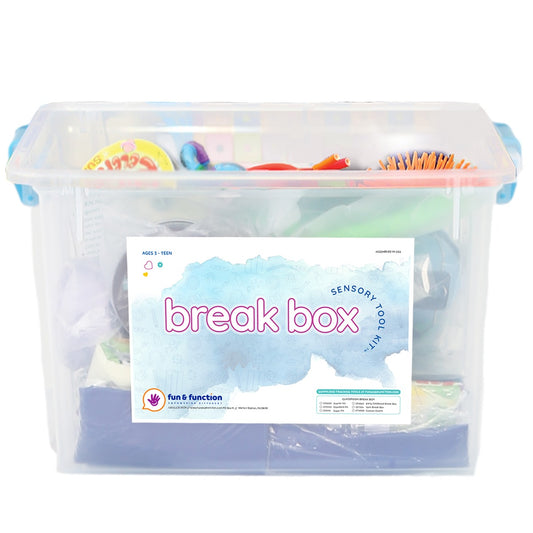
Our Early Childhood Sensory Toolkit supports young children's developmental growth. Includes tools to support tactile and texture exploration, fine and gross motor skills, bilateral coordination skills and early learning, as well as sensory regulation. Activity guide offers fun ideas for using included products in your home, clinic or daycare.
- Supports all children, including those with sensory integration disorder and autism
- Made by Fun and Function
- Ages 18 months-3 years
Watch video on ActiveMind School Partnership (also see Sensory Habitat video).
- Webinar and Onsite Training available
- Download the Fun and Function Data Collection Form to measure results
- Download Self Regulation and Tracking for Kids
- Download the Fun and Function Activity Guide for sensory motor activity ideas
- Download the Sensory Intervention Tracking Form
- Get Quick Tips and FAQs
- Explore Break Boxes™ for Students K-8 and Custom Choice
- Download our Social Stories: Take a Break!
- Free Download: Visual Cues for Classroom Break Box
Details
Your durable box includes:
- Pressure Foam Roller
- Baby Hedgehog
- Balance Blocks
- Tactile Sensory Cube
- Monster Bean Bags
- Sensory Rumble Roller
- Hand Eye Coordination Scarves
- Squeaky Spots
- Sensory Mini Mats
- Stick N Twist Suction Shapes
- Noise Reduction Baby Headphones
- Activity cards
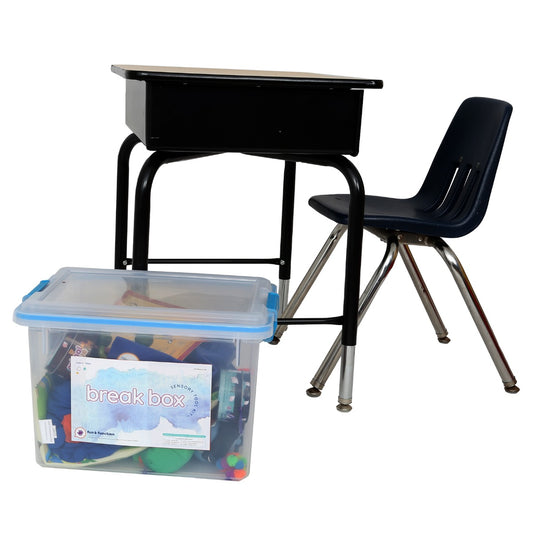
- Box measures 23.75"L x 16"W x 13.5"H
- Contents May Vary
Getting Started
Please refer to individual product pages for safety information.


Questions & Answers loading...
Blog Posts

Why Try Occupational Therapy for Sensory Processing Disorder
Many children struggle with everyday activities like getting dressed, eating or going to school. Sensory processing disorders (SPD) can turn these seemingly simple tasks into overwhelming obstacles. It may feel daunting to navigate your child’s sensory needs.

What's Therapeutic about a Weighted Blanket?
The first time I heard about weighted blankets, I had an instant "Ah-Ha! " moment. As a child, I used to love to climb under the blankets on my parents' bed.

3 Tips for Sensory Friendly Haircuts
Does your child resist haircuts at the barber? They might not like the vestibular input of sitting on a chair that gets propelled upwards, feeling the apron around their neck, or the auditory stimulation of surrounding conversations and the buzz of razors. Many parents avoid these haircuts for as long as possible.
Why Try Occupational Therapy for Sensory Processing Disorder
Many children struggle with everyday activities like getting dressed, eating or going to school. Sensory processing disorders (SPD) can turn these seemingly simple tasks into overwhelming obstacles. It may feel daunting to navigate your child’s sensory needs.
What's Therapeutic about a Weighted Blanket?
The first time I heard about weighted blankets, I had an instant "Ah-Ha! " moment. As a child, I used to love to climb under the blankets on my parents' bed.
3 Tips for Sensory Friendly Haircuts
Does your child resist haircuts at the barber? They might not like the vestibular input of sitting on a chair that gets propelled upwards, feeling the apron around their neck, or the auditory stimulation of surrounding conversations and the buzz of razors. Many parents avoid these haircuts for as long as possible.

What Makes
Us Different

Expert Team
We are a group of trained therapists, educators and committed parents devoted to making your world better.

Quality Products
We manufacture versatile, high quality products in small batches with trusted partners.

Commitment to Safety
Our products undergo rigorous safety testing by independent labs to meet and often exceed government standards.

Your Voice
Our collaboration with you is at the heart of our success. We value your ideas, experiences and feedback.

Customer Service
We are committed to going above and beyond to ensure your complete satisfaction with our products and services.


