


Exclusive
In stock
Item #
CF6820
Puzzle Piece Chewies - Set of 2
Puzzle Piece Chewies - Set of 2
Puzzle-Shaped Chewelry
Regular price
68.00 NIS
Regular price
0.00 NIS
Sale price
68.00 NIS
Quantity


Be Safe
Download
Guidelines for Safe Use
Why We Love It
Puzzled about how to satisfy the urge to bite? The Puzzle Piece Chewy is a standout sensory solution. This cool chewelry offers ridges and textures for oral motor exploration. Features one smooth side and one bumpy side, providing tactile interest for mouth or fingers. The two chewy puzzle pieces interlock, so you can also use them as a manipulative to help build fine motor skills. Chew or fidget to help reduce anxiety and improve concentration. For moderate chewers. Non-returnable.
- Provides a safe and stimulating outlet for oral motor needs
- Supports challenges of ADHD, sensory processing disorder and autism
- Made by Fun and Function
- Age 3+
Ideas for Use
- Use as a tool to help strengthen oral motor and facial muscles
- Noisy busy setting causing sensory overload? Chew on your necklace to help relieve stress
- Gently introduce chewy as a new texture to help with oral motor exploration
Details
- Includes two necklaces
- Chewy: 2.75"L x 2.36"W x 0.5"D. Necklace: 15"L
- Weighs 1.4 oz. each
- Made of food grade silicone. Nylon necklace with breakaway polypropylene clasp
- Designed without BPA, phthalates and latex
- Chewy: Dishwasher safe. Top rack.
- Necklace: Surface wash. Air dry.
- Colors: Orange and purple chewies with black necklace and clasp
Safety Information
Chewies are designed for mouthing. This chewy is made of FDA-approved silicone and is free of BPA. Tested by an independent and accredited third-party lab, this chewy meets or exceeds government safety standards for lead and phthalates. All chewy cords feature breakaway safety fasteners. While no chewy is indestructible, our chewies are tested to robust in-house standards of varying levels of pressure, for at least 2000 repetitive cycles, to meet the oral needs of the most active chewers.


Use with adult supervision.
When using our products, remember that you – as the caregiver – know your child best. Please follow our safety recommendations, and provide additional supervision as needed for your child.
Make sure child does not chew on necklace cord or clasp. Inspect necklace before each use. Discard immediately if any part of necklace is damaged. This necklace has a safety clasp to prevent strangulation and to breakaway when pulled on. Never use if safety clasp is broken. Remove necklaces before active play, naptime, and bedtime.


Questions & Answers loading...
Blog Posts
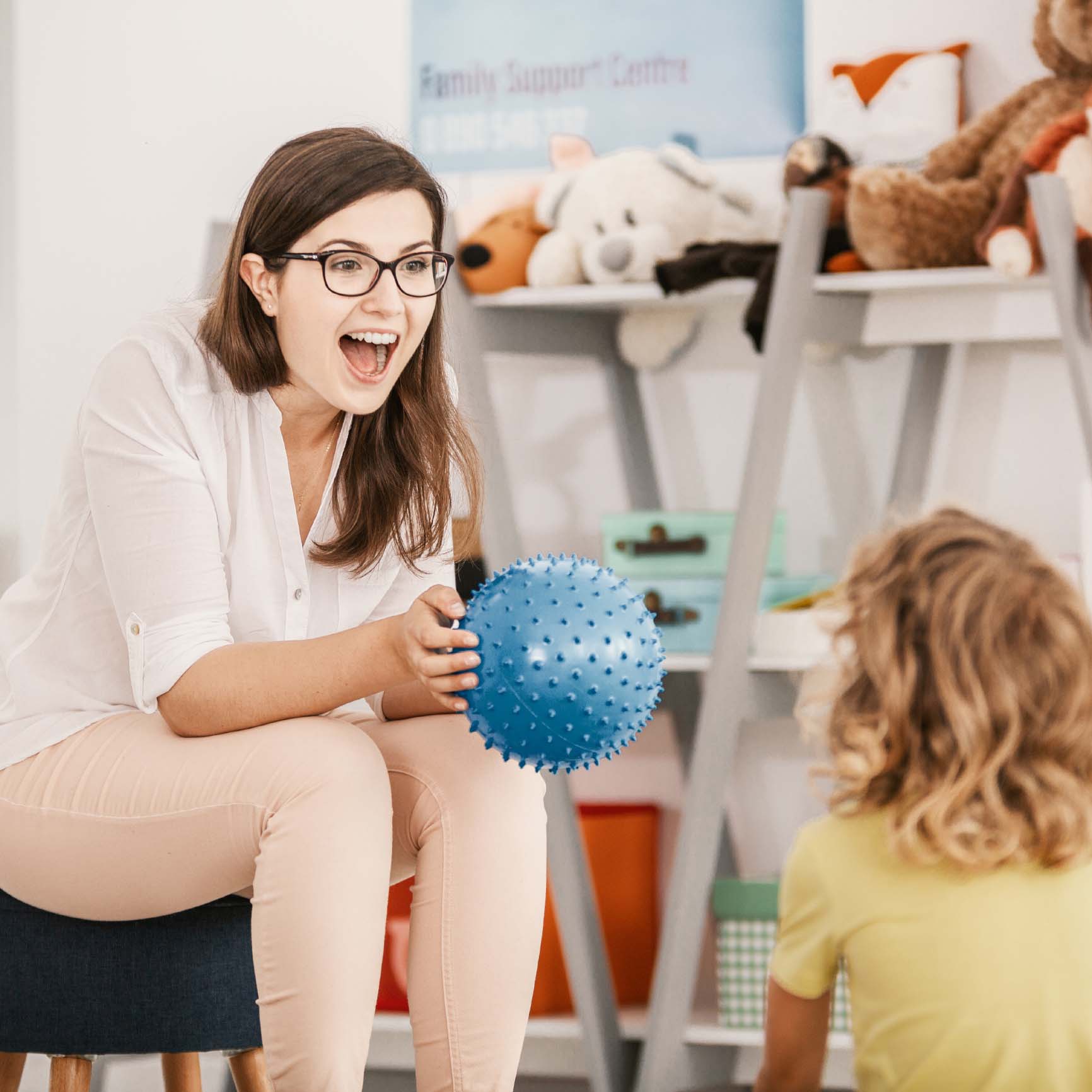
Why Try Occupational Therapy for Sensory Processing Disorder
Many children struggle with everyday activities like getting dressed, eating or going to school. Sensory processing disorders (SPD) can turn these seemingly simple tasks into overwhelming obstacles. It may feel daunting to navigate your child’s sensory needs.

What's Therapeutic about a Weighted Blanket?
The first time I heard about weighted blankets, I had an instant "Ah-Ha! " moment. As a child, I used to love to climb under the blankets on my parents' bed.

3 Tips for Sensory Friendly Haircuts
Does your child resist haircuts at the barber? They might not like the vestibular input of sitting on a chair that gets propelled upwards, feeling the apron around their neck, or the auditory stimulation of surrounding conversations and the buzz of razors. Many parents avoid these haircuts for as long as possible.
Why Try Occupational Therapy for Sensory Processing Disorder
Many children struggle with everyday activities like getting dressed, eating or going to school. Sensory processing disorders (SPD) can turn these seemingly simple tasks into overwhelming obstacles. It may feel daunting to navigate your child’s sensory needs.
What's Therapeutic about a Weighted Blanket?
The first time I heard about weighted blankets, I had an instant "Ah-Ha! " moment. As a child, I used to love to climb under the blankets on my parents' bed.
3 Tips for Sensory Friendly Haircuts
Does your child resist haircuts at the barber? They might not like the vestibular input of sitting on a chair that gets propelled upwards, feeling the apron around their neck, or the auditory stimulation of surrounding conversations and the buzz of razors. Many parents avoid these haircuts for as long as possible.

What Makes
Us Different

Expert Team
We are a group of trained therapists, educators and committed parents devoted to making your world better.

Quality Products
We manufacture versatile, high quality products in small batches with trusted partners.

Commitment to Safety
Our products undergo rigorous safety testing by independent labs to meet and often exceed government standards.

Your Voice
Our collaboration with you is at the heart of our success. We value your ideas, experiences and feedback.

Customer Service
We are committed to going above and beyond to ensure your complete satisfaction with our products and services.


