


Exclusive
In stock
Item #
DR6565
Sensory Compression Shorts
Sensory Compression Shorts
Buy 2 or More Compression Shorts or Compression Joggers - Save 15% with code "BOTTOMS2" - Online only.
Regular price
51.00 NIS
Regular price
0.00 NIS
Sale price
51.00 NIS
Quantity


Be Safe
Download
Guidelines for Safe Use
Why We Love It
Soothing Compression Shorts for the Hips and Thighs
Soft and snug, our Sensory Compression Shorts are a great choice for all day mild compression. Compression shorts discreetly provide gentle pressure that's soothing for kids with sensory needs. These versatile athletic shorts are tight enough to wear under clothing, and thick enough to wear alone. Fits boys and girls and can even be used as pajama bottoms! Designed for extra comfort, these kids shorts are tagless and made of organic cotton.
- Provides continuous deep pressure for calming sensory input
- Helps kids with ADHD, sensory processing disorder and autism
- Made by Fun and Function
Details
- Weighs 4.2 oz.
- Made of 95% organic cotton, 5% spandex. Covered elastic waist is 80% polyester, 20% spandex
- Machine wash cold with like colors. Non-chlorine bleach when needed. Hang dry.
- Color: Black
Helps With
Safety Information
Stretch fabric products are designed to support children with various sensory needs. The fabric has been tested by an independent and accredited third-party lab and meets or exceeds government safety standards for flammability, physical and mechanical hazards. Where applicable, seam strength is tested for long-term durability for our most active users.
Use with adult guidance.
When using our products, remember that you – as the caregiver – know your child best. Please follow our safety recommendations, and provide additional supervision as needed for your child.




Questions & Answers loading...
Blog Posts
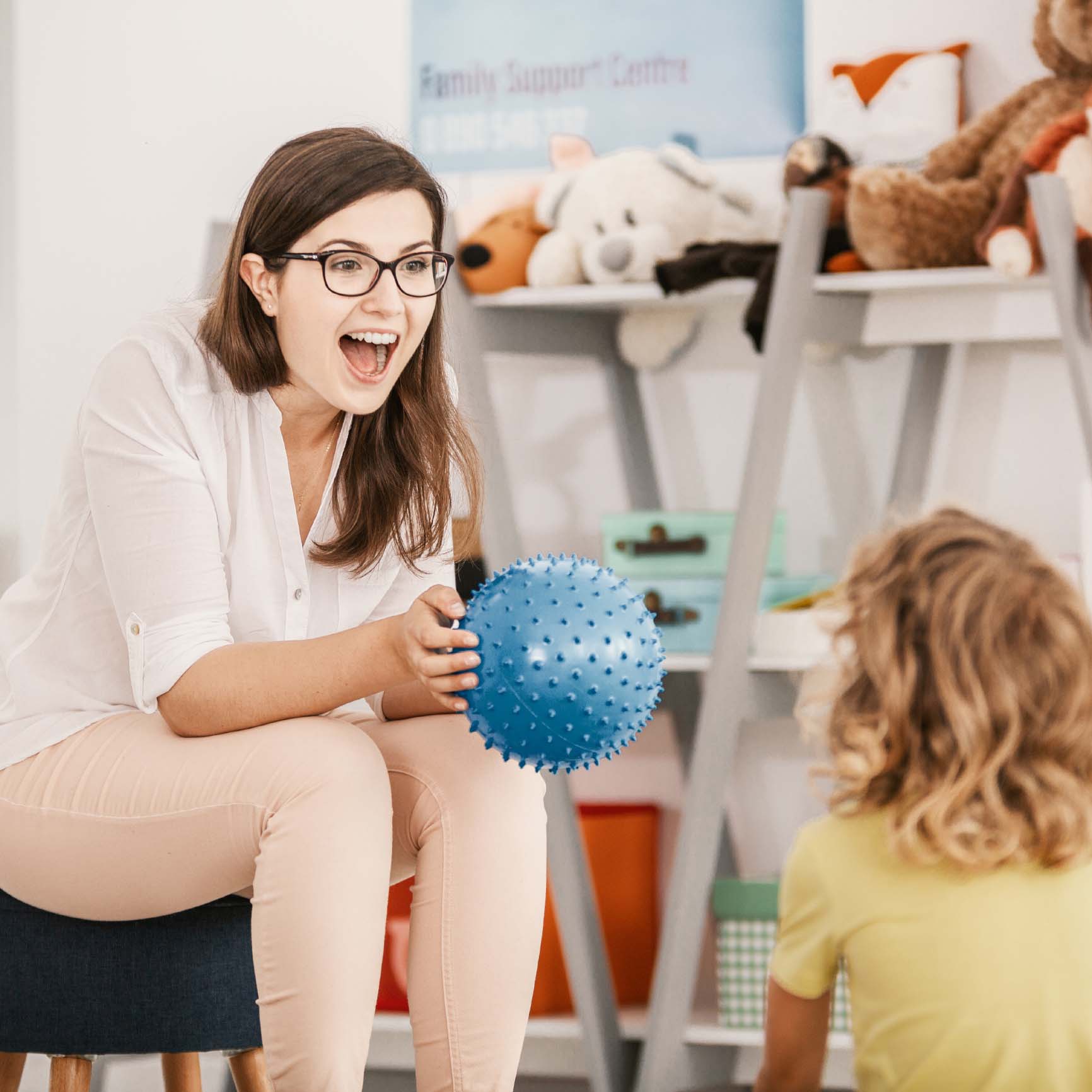
Why Try Occupational Therapy for Sensory Processing Disorder
Many children struggle with everyday activities like getting dressed, eating or going to school. Sensory processing disorders (SPD) can turn these seemingly simple tasks into overwhelming obstacles. It may feel daunting to navigate your child’s sensory needs.

What's Therapeutic about a Weighted Blanket?
The first time I heard about weighted blankets, I had an instant "Ah-Ha! " moment. As a child, I used to love to climb under the blankets on my parents' bed.

3 Tips for Sensory Friendly Haircuts
Does your child resist haircuts at the barber? They might not like the vestibular input of sitting on a chair that gets propelled upwards, feeling the apron around their neck, or the auditory stimulation of surrounding conversations and the buzz of razors. Many parents avoid these haircuts for as long as possible.
Why Try Occupational Therapy for Sensory Processing Disorder
Many children struggle with everyday activities like getting dressed, eating or going to school. Sensory processing disorders (SPD) can turn these seemingly simple tasks into overwhelming obstacles. It may feel daunting to navigate your child’s sensory needs.
What's Therapeutic about a Weighted Blanket?
The first time I heard about weighted blankets, I had an instant "Ah-Ha! " moment. As a child, I used to love to climb under the blankets on my parents' bed.
3 Tips for Sensory Friendly Haircuts
Does your child resist haircuts at the barber? They might not like the vestibular input of sitting on a chair that gets propelled upwards, feeling the apron around their neck, or the auditory stimulation of surrounding conversations and the buzz of razors. Many parents avoid these haircuts for as long as possible.

What Makes
Us Different

Expert Team
We are a group of trained therapists, educators and committed parents devoted to making your world better.

Quality Products
We manufacture versatile, high quality products in small batches with trusted partners.

Commitment to Safety
Our products undergo rigorous safety testing by independent labs to meet and often exceed government standards.

Your Voice
Our collaboration with you is at the heart of our success. We value your ideas, experiences and feedback.

Customer Service
We are committed to going above and beyond to ensure your complete satisfaction with our products and services.


