


Exclusive
In stock
Item #
CF7569
Spot Markers
Spot Markers
Plastic Spot Markers
Regular price
159.00 NIS
Regular price
0.00 NIS
Sale price
159.00 NIS
Quantity
-
 Ready to ship in 1–3 business days
-
 Not 100% satisfied?
Returns and Exchange policy
Not 100% satisfied?
Returns and Exchange policy


Why We Love It
No more touching or poking neighbors! Brightly colored plastic spot markers help kids respect personal space when sitting at circle time or lining up. Bold colors provide visual guidance for kids to gravitate to their place. Emotion Spot Markers help children identify emotions in addition to learning the social skills of waiting in line and protecting their friends’ personal space. Numbered Spot Markers help children learn their numbers while they learn the rules of the classroom or a game. All three spot markers are an excellent tool to have at home, in a therapy room or in the classroom.
- Incorporate into physical therapy or occupational therapy sessions
- Support kids with gross motor delays and sensory processing disorder
- Age 18 months
Ideas for Use
- Place Spot Markers on the floor to assign a separate space for each child
- Use as bases when playing softball or to mark positions when playing volleyball
- Mimic the expression on your Emotion Spot Marker as a fun opening activity during circle time
Details
- Spot Markers: 10" Diameter. Colors: Red, green, blue, yellow, purple and orange
- Emotion Spot Markers: 10" Diameter. Colors: Red, green, blue and yellow
- Numbered Spot Markers: 10" Diameter. Colors: Red, green, blue, yellow and orange
- Each spot marker weighs 3.5 oz.
- Made of PVC with non-toxic ink (where applicable)
- Surface wash. Air dry.
Questions & Answers loading...
Blog Posts
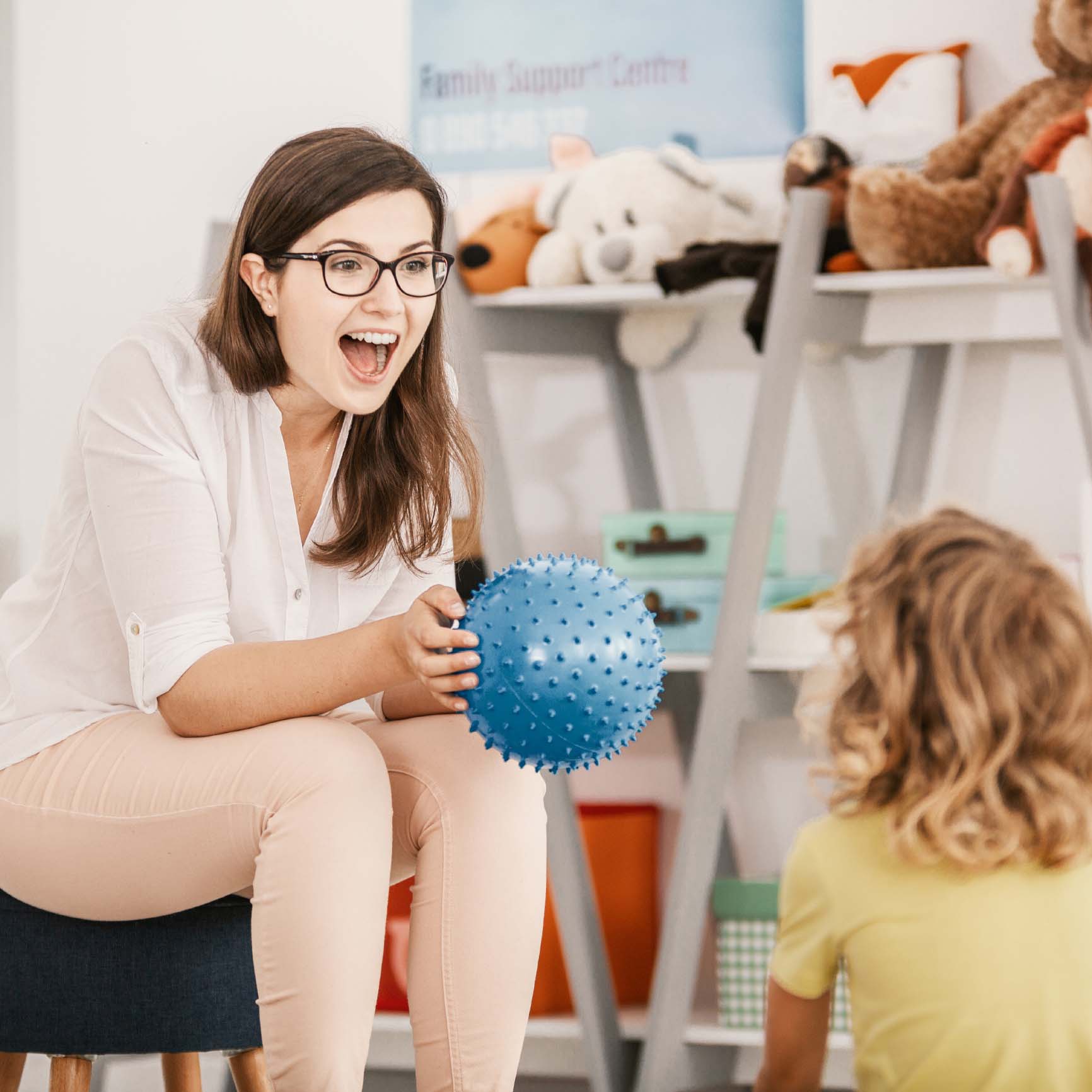
Why Try Occupational Therapy for Sensory Processing Disorder
Many children struggle with everyday activities like getting dressed, eating or going to school. Sensory processing disorders (SPD) can turn these seemingly simple tasks into overwhelming obstacles. It may feel daunting to navigate your child’s sensory needs.

What's Therapeutic about a Weighted Blanket?
The first time I heard about weighted blankets, I had an instant "Ah-Ha! " moment. As a child, I used to love to climb under the blankets on my parents' bed.

3 Tips for Sensory Friendly Haircuts
Does your child resist haircuts at the barber? They might not like the vestibular input of sitting on a chair that gets propelled upwards, feeling the apron around their neck, or the auditory stimulation of surrounding conversations and the buzz of razors. Many parents avoid these haircuts for as long as possible.
Why Try Occupational Therapy for Sensory Processing Disorder
Many children struggle with everyday activities like getting dressed, eating or going to school. Sensory processing disorders (SPD) can turn these seemingly simple tasks into overwhelming obstacles. It may feel daunting to navigate your child’s sensory needs.
What's Therapeutic about a Weighted Blanket?
The first time I heard about weighted blankets, I had an instant "Ah-Ha! " moment. As a child, I used to love to climb under the blankets on my parents' bed.
3 Tips for Sensory Friendly Haircuts
Does your child resist haircuts at the barber? They might not like the vestibular input of sitting on a chair that gets propelled upwards, feeling the apron around their neck, or the auditory stimulation of surrounding conversations and the buzz of razors. Many parents avoid these haircuts for as long as possible.

What Makes
Us Different

Expert Team
We are a group of trained therapists, educators and committed parents devoted to making your world better.

Quality Products
We manufacture versatile, high quality products in small batches with trusted partners.

Commitment to Safety
Our products undergo rigorous safety testing by independent labs to meet and often exceed government standards.

Your Voice
Our collaboration with you is at the heart of our success. We value your ideas, experiences and feedback.

Customer Service
We are committed to going above and beyond to ensure your complete satisfaction with our products and services.


