


Exclusive
In stock
Item #
CF6533
Stressless Fidget Balls - Set of 2
Stressless Fidget Balls - Set of 2
Stress Balls for Kids
Regular price
59.00 NIS
Regular price
0.00 NIS
Sale price
59.00 NIS
Quantity


Be Safe
Download
Guidelines for Safe Use
Why We Love It
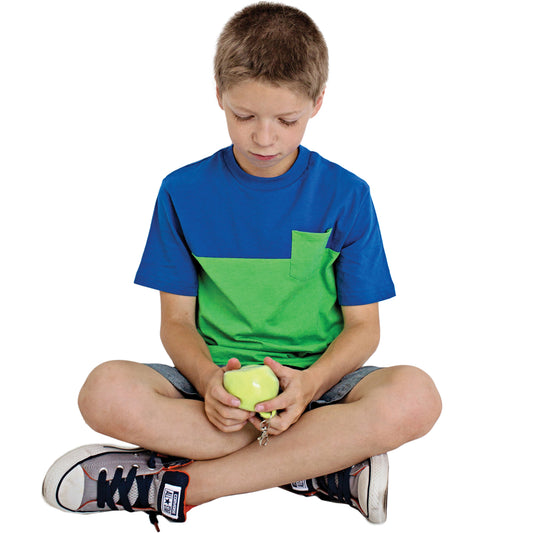
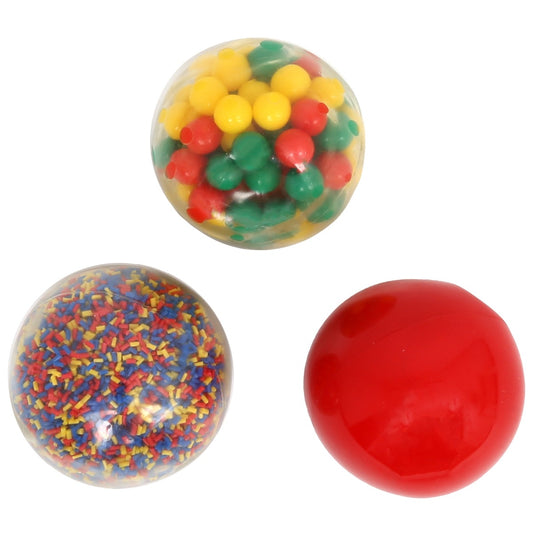
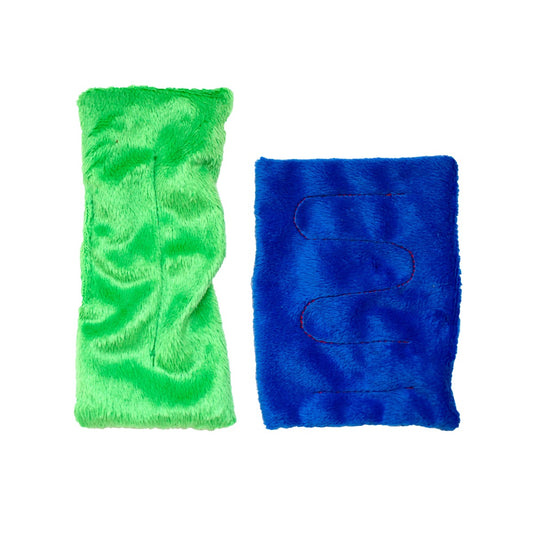
Stress is a goner with these squishy fidget balls. Squeeze the pellet-filled balls and enjoy the smooth, stretchy material while working on fine motor control and intrinsic hand strength. You can also keep these noiseless fidgets in your conference room for discreet, non-disruptive fidgeting during presentations and lectures. Each ball features a different weight, enabling easy modifications for varied sensory needs and preferences. A travel-friendly sensory tool that promotes calm, focus and self-regulation.
- Helps with coordination, fine motor skills and self-regulation
- Supports kids with ADHD, low muscle tone and sensory processing disorder
- Made by Fun and Function
- Age 3+
Ideas for Use
- Use to warm up hand muscles before writing or crafting activities
- Toss a ball to a friend or therapist for a stimulating hand-eye coordination exercise
- Fidgety fingers? Use to keep hands busy during circle time, lectures or meetings
Details
- Includes two balls
- 3" Diameter
- Made from 80% polyester 20% lycra. Filled with polystryrene pellets
- Blue: Weighs 4.6 oz.
- Green: Weighs 0.3 oz.
- Surface wash. Air dry.
Safety Information
Fidgets have been tested by an independent and accredited third-party lab and meets or exceeds government safety standards for lead, phthalates, physical and mechanical hazards, and small parts. Where appropriate, fidgets have been tested for seam strength.
Use with adult supervision.
When using our products, remember that you – as the caregiver – know your child best. Please follow our safety recommendations, and provide additional supervision as needed for your child.
Not for mouthing or chewing. If this product is torn or opened‚ discard immediately.





Questions & Answers loading...
Blog Posts
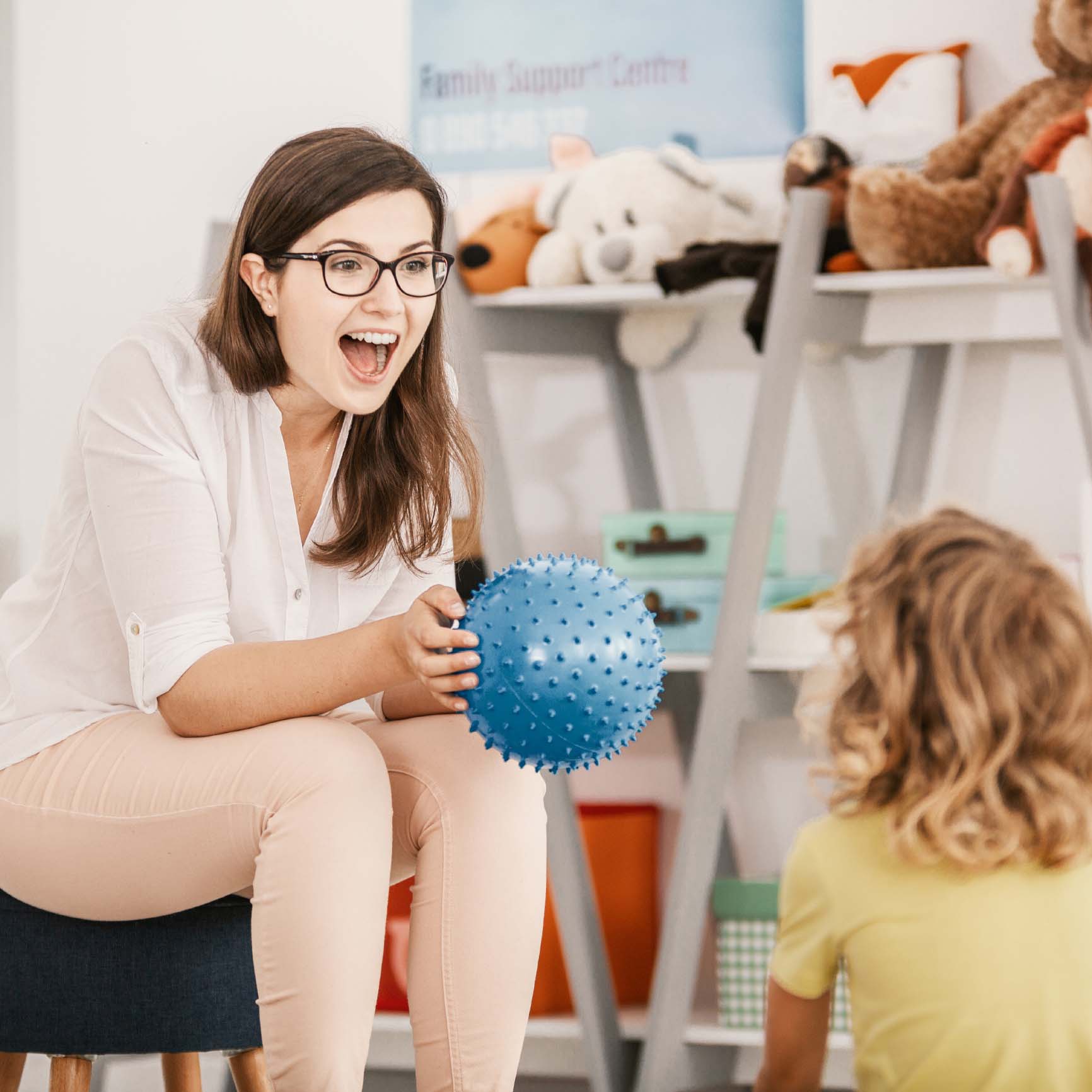
Why Try Occupational Therapy for Sensory Processing Disorder
Many children struggle with everyday activities like getting dressed, eating or going to school. Sensory processing disorders (SPD) can turn these seemingly simple tasks into overwhelming obstacles. It may feel daunting to navigate your child’s sensory needs.

What's Therapeutic about a Weighted Blanket?
The first time I heard about weighted blankets, I had an instant "Ah-Ha! " moment. As a child, I used to love to climb under the blankets on my parents' bed.

3 Tips for Sensory Friendly Haircuts
Does your child resist haircuts at the barber? They might not like the vestibular input of sitting on a chair that gets propelled upwards, feeling the apron around their neck, or the auditory stimulation of surrounding conversations and the buzz of razors. Many parents avoid these haircuts for as long as possible.
Why Try Occupational Therapy for Sensory Processing Disorder
Many children struggle with everyday activities like getting dressed, eating or going to school. Sensory processing disorders (SPD) can turn these seemingly simple tasks into overwhelming obstacles. It may feel daunting to navigate your child’s sensory needs.
What's Therapeutic about a Weighted Blanket?
The first time I heard about weighted blankets, I had an instant "Ah-Ha! " moment. As a child, I used to love to climb under the blankets on my parents' bed.
3 Tips for Sensory Friendly Haircuts
Does your child resist haircuts at the barber? They might not like the vestibular input of sitting on a chair that gets propelled upwards, feeling the apron around their neck, or the auditory stimulation of surrounding conversations and the buzz of razors. Many parents avoid these haircuts for as long as possible.

What Makes
Us Different

Expert Team
We are a group of trained therapists, educators and committed parents devoted to making your world better.

Quality Products
We manufacture versatile, high quality products in small batches with trusted partners.

Commitment to Safety
Our products undergo rigorous safety testing by independent labs to meet and often exceed government standards.

Your Voice
Our collaboration with you is at the heart of our success. We value your ideas, experiences and feedback.

Customer Service
We are committed to going above and beyond to ensure your complete satisfaction with our products and services.


