


Top Sensory Tools for Back-to-School in 2025
Updated by Rivkie Berger, OTR on 04/08/2025.
7 min read
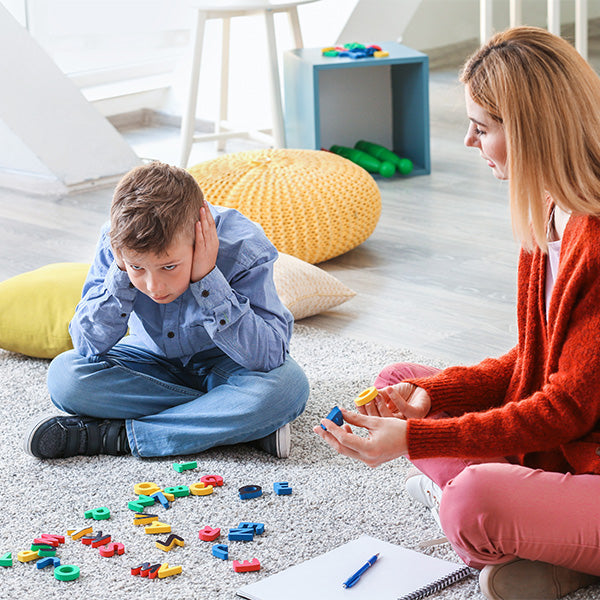
As the beginning of school approaches, many kids may feel stressed or anxious about all of the new things ahead. Transitioning to spending more time indoors and concentrating on lessons can be difficult, especially after the fun and relaxation of summer break. Empowering kids with the right sensory tools to ease the transition is imperative to set them up for success this school year.
Here are our occupational therapists’ top sensory tools for school in 2025 to help your child feel confident and supported in the classroom.
1. Lean ‘N Learn Wedge Cushion
Sensory cushions are popular classroom options, and this one does double duty! Children can wiggle while they work and get postural support from the wedge-shaped cushion, which tilts their hips, pelvis and spine forward for more ergonomic seating.


Kids can easily adjust the recline of this floor chair on their own, to find the just-right amount of comfort and support no matter where they’re sitting. Better posture is linked to improved penmanship, increased body awareness and more concentration. Keep the chair at home or send it to school with your child. Choose between two beautiful colors!


3. Discovery Putty®
Both sensory seekers and sensory avoiders love playing with putty. Squeeze, stretch, pull and mold the putty into different shapes to wake up hand muscles before writing exercises, calm anxious nerves and challenge creativity. Kids can improve fine motor skills by finding the hidden pieces from their Discovery Putty. Let them pick their favorite theme or collect them all!
Not sure which resistance level your child needs? Find the right one here.

4. Stick-On Fidget Brushes
Discreet fidgets are ideal for classroom settings. These fidget brushes suction to desks and other surfaces so that students can run their fingers over the soft bristles for tactile stimulation while working. The slim design and silent input reduces the risk of classmates getting distracted.


5. Sensory Basics® S-Chidget®
Another quiet fidget, this portable tool is made of food-grade silicone to double as a chewy! The s-shape is easy to grasp, twist and stretch. It comes as a set of two, so you can keep one at home and one at school.


6. Toby the Tiger Neck Pillow
Toby is a cozy companion that doubles as a gently weighted neck pillow to ground kids who feel overwhelmed. They can brush their hands across the plush fur, and find comfort in Toby’s sweet hug.


7. Stay-Weighted Puffer Vest
The inconspicuous design of this vest makes it a perfect choice for kids who don’t want to stand out among their peers. Its non-removable weights are distributed to provide soothing pressure on the shoulders and upper body. Many kids are able to focus better when they have proprioceptive input during challenging times of day.


8. Compression Clothing
Small irritants, like a clothing tag, can be all-consuming for sensory sensitive kids. Keep them calm and comfortable at school with sensory-friendly closet staples like our Hug Tees and compression bottoms. The tagless, soft and breathable cotton clothing offers a gentle hug-like sensation for kids to self-regulate and focus.

9. Noise Reduction Headphones
These headphones are a sensory staple for a reason. Store a pair in your child’s backpack for them to pull out and wear as needed. The headphones block out ambient noise while still allowing students to participate in nearby conversations.


10. Visual Timers
Help your child stay on track and independently organized with visual timers. They can see how much time they have left at a glance, reducing stress and anxiety.

Sensory Student FAQs
While every student is unique, especially when it comes to their sensory needs, there are certain things that parents and teachers can keep in mind for all kids.
1. What helps sensory kids in class?
Take some time to observe any behavioral patterns for sensory students in the classroom. Note if there is a specific type of trigger or time of day that might lead to dysregulation. Then you can experiment with appropriate tools to help kids self-regulate and get the sensory input they crave before reaching a meltdown.
2. Are sensory behaviors just attention seeking?
No, sensory behaviors are the result of an unbalanced sensory system. When children who need more active movement are required to sit still for long periods of time, they often reach a point where they cannot concentrate or control their need to move. They may try to satisfy that sensory need in other ways, which can appear to others like they are simply goofing off and misbehaving. However, if these students’ sensory needs are met appropriately then there will probably be less disruptive behavior.
3. How do sensory needs affect focus and behavior?
When your body is dysregulated, meaning that there is either too much or too little of a certain type of sensory input, it can feel impossible to focus on the task at hand. Your brain often becomes fixated on trying to reach sensory equilibrium again. Students who have various sensory needs are often seen as daydreamers, lazy or simply badly behaved. In truth, their brains are struggling to satisfy a sensory need before it can go back to focusing on the lessons.
4. How can I create a sensory-friendly classroom environment?
Consider the sensory needs of your students in order to prioritize what you include in your sensory classroom. Popular choices include flexible seating, LED lighting, soothing color palettes and visual schedules. You can connect with our sensory room design team for help creating the perfect sensory-friendly classroom space for your needs!
As Rivkie Berger, our Sensory Coach, says, “When we give our kids the tools they need, kids who are struggling won’t just survive– they will thrive.” No matter what your child’s sensory needs are, you are sure to find a tool that helps them flourish this school year. Explore our full collection of sensory-friendly classroom tools or reach out to our team for guidance!


Leave a comment