


Exclusive
In stock
Item #
CM8854
Emotion Cushions - Set of 8
Emotion Cushions - Set of 8
Emotion Floor Cushions
Regular price
534.00 NIS
Regular price
0.00 NIS
Sale price
534.00 NIS
Quantity


Why We Love It
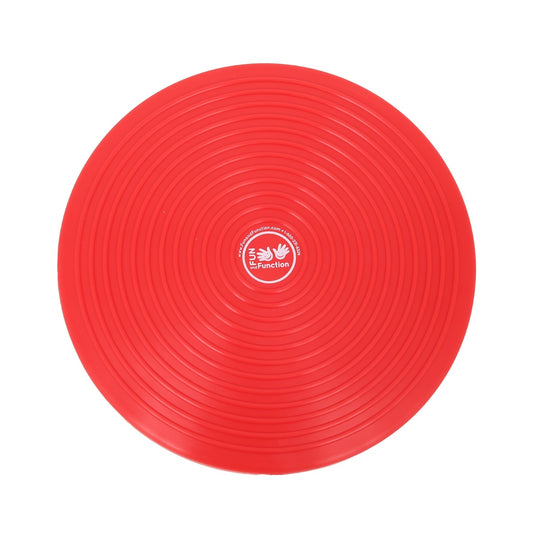
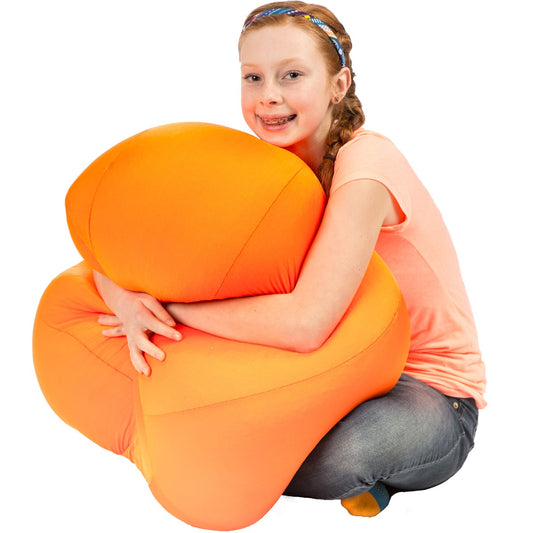
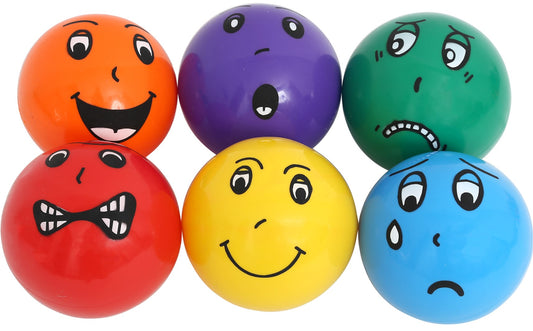
Emojis are great for helping kids learn how to regulate their moods. Each round cushion features a different facial expression -- surprised, scared, excited, angry, happy, sad, frustrated and neutral. Help kids talk through how they feel, supporting self-awareness, emotional development and social skills. Try wrapping your arms around one and giving it a good squeeze! These versatile sensory tools are great as emotion floor cushions, markers during circle time or stepping stones. Use for early learning activities too, like practicing color recognition or tossing back and forth to promote hand-eye coordination.
- Supports social skills and self-awareness
- Supports kids with ADHD, sensory integration disorder or autism
- Made by Fun and Function
- Age 3+
Ideas for Use
- Place cushions in a row. Name the color as you step on each one
- Call out an emotion and instruct child to sit or stand on the corresponding cushion
- Pick up a cushion and name the emotion. Tell about a time you felt this way
Details
- Includes eight cushions
- 11.75" Diameter x 3"H
- Weighs 7.4 oz. each
- Made of polyurethane vinyl and pigment ink expressions
Filled with polyurethane foam - Surface wash. Air dry
- Colors: Yellow, orange, light gray, red and green with black features Teal, purple and navy with white features
Safety Information
Balls and cushions have been tested by an independent and accredited third-party lab, and meets or exceeds government safety standards for lead, physical and mechanical hazards, flammability and phthalates.
Use with adult guidance.
When using our products, remember that you – as the caregiver – know your child best. Please follow our safety recommendations, and provide additional supervision as needed for your child.




Questions & Answers loading...
Blog Posts
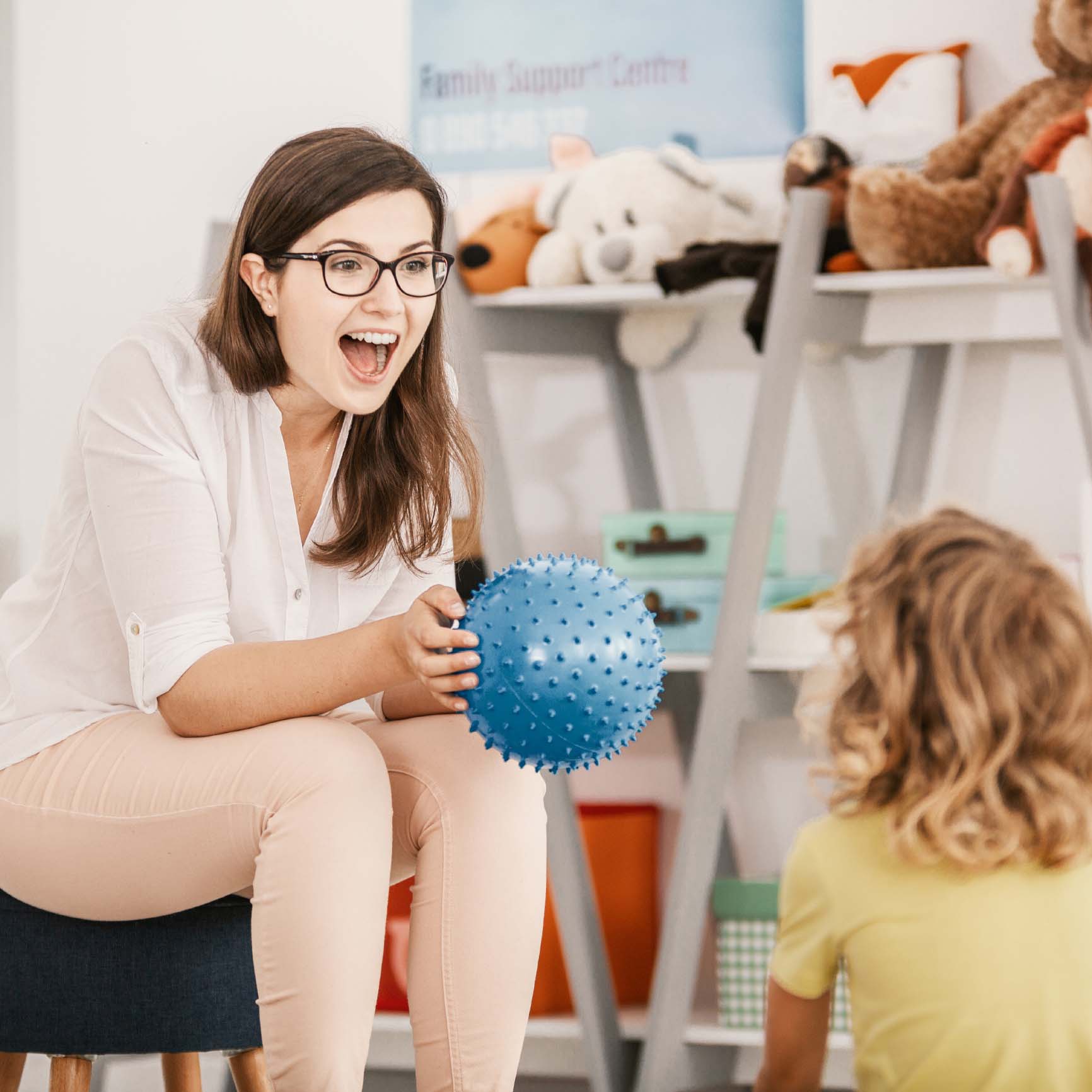
Why Try Occupational Therapy for Sensory Processing Disorder
Many children struggle with everyday activities like getting dressed, eating or going to school. Sensory processing disorders (SPD) can turn these seemingly simple tasks into overwhelming obstacles. It may feel daunting to navigate your child’s sensory needs.

What's Therapeutic about a Weighted Blanket?
The first time I heard about weighted blankets, I had an instant "Ah-Ha! " moment. As a child, I used to love to climb under the blankets on my parents' bed.

3 Tips for Sensory Friendly Haircuts
Does your child resist haircuts at the barber? They might not like the vestibular input of sitting on a chair that gets propelled upwards, feeling the apron around their neck, or the auditory stimulation of surrounding conversations and the buzz of razors. Many parents avoid these haircuts for as long as possible.
Why Try Occupational Therapy for Sensory Processing Disorder
Many children struggle with everyday activities like getting dressed, eating or going to school. Sensory processing disorders (SPD) can turn these seemingly simple tasks into overwhelming obstacles. It may feel daunting to navigate your child’s sensory needs.
What's Therapeutic about a Weighted Blanket?
The first time I heard about weighted blankets, I had an instant "Ah-Ha! " moment. As a child, I used to love to climb under the blankets on my parents' bed.
3 Tips for Sensory Friendly Haircuts
Does your child resist haircuts at the barber? They might not like the vestibular input of sitting on a chair that gets propelled upwards, feeling the apron around their neck, or the auditory stimulation of surrounding conversations and the buzz of razors. Many parents avoid these haircuts for as long as possible.

What Makes
Us Different

Expert Team
We are a group of trained therapists, educators and committed parents devoted to making your world better.

Quality Products
We manufacture versatile, high quality products in small batches with trusted partners.

Commitment to Safety
Our products undergo rigorous safety testing by independent labs to meet and often exceed government standards.

Your Voice
Our collaboration with you is at the heart of our success. We value your ideas, experiences and feedback.

Customer Service
We are committed to going above and beyond to ensure your complete satisfaction with our products and services.


