


Exclusive
Out of stock
Item #
CM6705
Emotion Balls - Set of 6
Emotion Balls - Set of 6
Emotion Balls for Self Regulation
Regular price
174.00 NIS
Regular price
0.00 NIS
Sale price
174.00 NIS
Quantity


Why We Love It
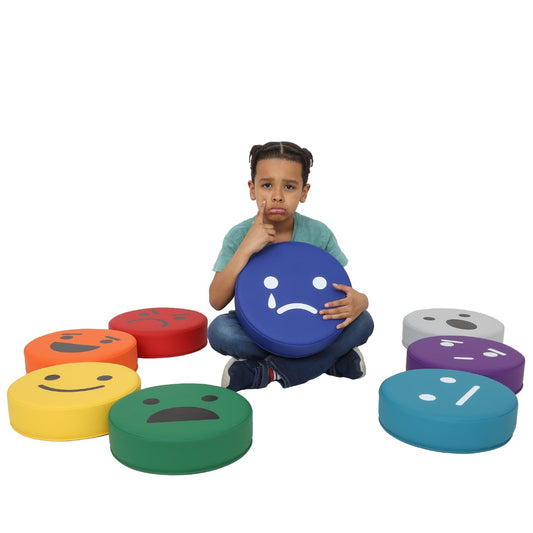
Help kids sort through their emotions and develop empathy and improve social skills by choosing from happy, angry, sad, excited, scared or amazed. These balls are fun to toss between child and therapist or roll from one child to another if in a group setting. Emotion Balls add fun and depth to therapy and activities at home, school, camp or gym.
- A fun tool to help kids develop social-emotional and empathy skills
- Supports kids with autism and those with speech and language challenges
- Note: Measurements may vary slightly depending on inflation level
- Made by Fun and Function
- Age 6 months+
Ideas for Use
- Mimic the expression on your ball as a fun opening activity during circle time
- Look at the expression on your ball. Can you describe a time when you felt like that?
- Incorporate into speech therapy or counseling sessions to discuss feelings
Details
- Includes six balls (happy, angry, sad, excited, scared, amazed)
- 18" circumference
- Weighs 3 oz. each
- Made of PVC with non-toxic ink
- Designed without BPA, phthalates and latex
- Surface wash. Air dry.
- Colors: Red, yellow, orange, green, blue and purple
Getting Started
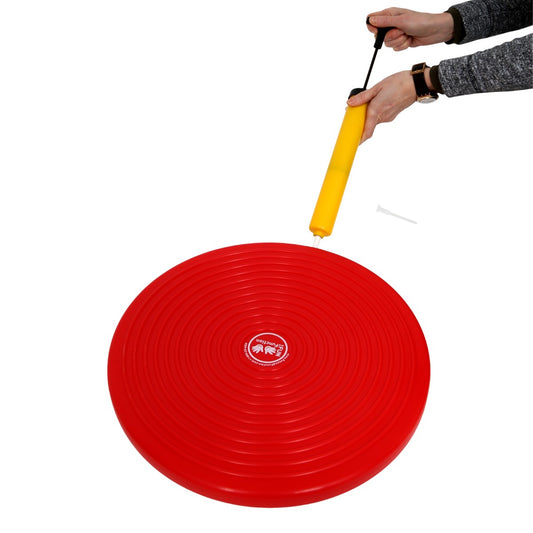
To inflate, use a needle pump (sold separately). Inflate only to the intended height listed in the details. To keep your product fully inflated, you may need to add air every few weeks.
Safety Information
Balls and cushions have been tested by an independent and accredited third-party lab, and meets or exceeds government safety standards for lead, physical and mechanical hazards, flammability and phthalates.
Use with adult supervision.
When using our products, remember that you – as the caregiver – know your child best. Please follow our safety recommendations, and provide additional supervision as needed for your child.
Not for mouthing or chewing.








Questions & Answers loading...
Blog Posts
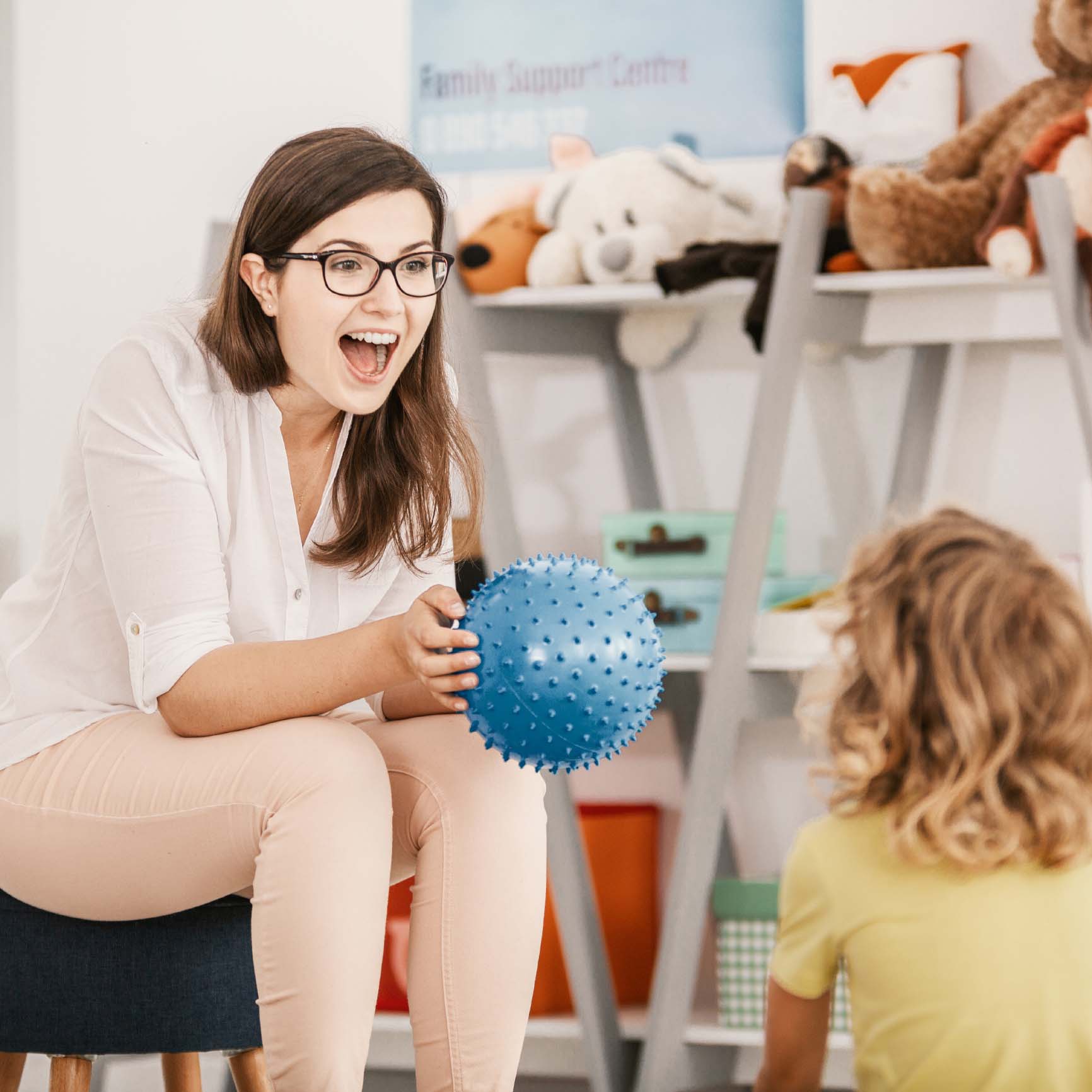
Why Try Occupational Therapy for Sensory Processing Disorder
Many children struggle with everyday activities like getting dressed, eating or going to school. Sensory processing disorders (SPD) can turn these seemingly simple tasks into overwhelming obstacles. It may feel daunting to navigate your child’s sensory needs.

What's Therapeutic about a Weighted Blanket?
The first time I heard about weighted blankets, I had an instant "Ah-Ha! " moment. As a child, I used to love to climb under the blankets on my parents' bed.

3 Tips for Sensory Friendly Haircuts
Does your child resist haircuts at the barber? They might not like the vestibular input of sitting on a chair that gets propelled upwards, feeling the apron around their neck, or the auditory stimulation of surrounding conversations and the buzz of razors. Many parents avoid these haircuts for as long as possible.
Why Try Occupational Therapy for Sensory Processing Disorder
Many children struggle with everyday activities like getting dressed, eating or going to school. Sensory processing disorders (SPD) can turn these seemingly simple tasks into overwhelming obstacles. It may feel daunting to navigate your child’s sensory needs.
What's Therapeutic about a Weighted Blanket?
The first time I heard about weighted blankets, I had an instant "Ah-Ha! " moment. As a child, I used to love to climb under the blankets on my parents' bed.
3 Tips for Sensory Friendly Haircuts
Does your child resist haircuts at the barber? They might not like the vestibular input of sitting on a chair that gets propelled upwards, feeling the apron around their neck, or the auditory stimulation of surrounding conversations and the buzz of razors. Many parents avoid these haircuts for as long as possible.

What Makes
Us Different

Expert Team
We are a group of trained therapists, educators and committed parents devoted to making your world better.

Quality Products
We manufacture versatile, high quality products in small batches with trusted partners.

Commitment to Safety
Our products undergo rigorous safety testing by independent labs to meet and often exceed government standards.

Your Voice
Our collaboration with you is at the heart of our success. We value your ideas, experiences and feedback.

Customer Service
We are committed to going above and beyond to ensure your complete satisfaction with our products and services.


